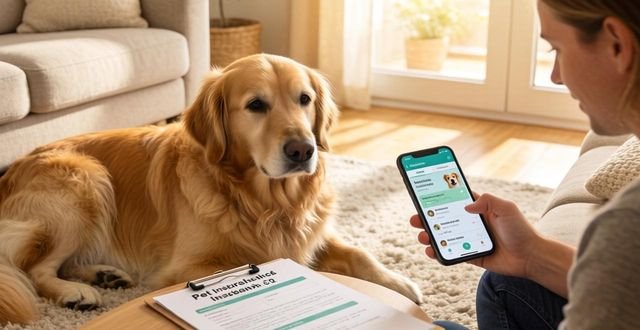
Look, I’m gonna be honest with you.
I never thought about my pet insurance portal until the night my dog ate a sock.
You know the kind of panic. The kind where you’re Googling “dog ate a sock what to do” at 2 AM while your Golden Retriever looks at you like you’re the one who did something wrong.
That was me last month.
The emergency vet said surgery would run somewhere between $3,000 and $5,000. I swallowed hard but thought, okay, I have insurance. We’ll be fine.
Then I logged into my pet insurance portal to start the claim.
And there it was.
My dog’s age. Still listed as 3. He turned 5 last fall.
His weight. 62 pounds. He’s 74 now. I knew that. But updating just felt like… a chore. Something I’d get to later.
Later arrived at 2 AM with a sock and a ticking clock.
Age matters more than you think
Turns out, pet insurance premiums hinge on three main things — your pet’s age, breed, and where you live.
I didn’t realize that an outdated age in the system could mess with more than just my monthly bill. When I finally got someone on the phone, they told me the claim might need “further review” because the info didn’t match the vet records.
Further review. That’s insurance-speak for “we might not pay this.”
My heart sank.
Weight isn’t just a number
I remember the day I updated his weight last time.
It was during a vaccine appointment. The vet tech said “74 pounds” and I thought,huh, he’s getting chunky. And then I just forgot to change it in the portal.
That 12-pound difference turned into a minor nightmare.
The claims advocate asked why my vet report showed 74 pounds but my pet profile said 62. It made them question everything — was this the same dog? Did I misrepresent his health? Would they deny the claim based on “material misrepresentation”?
I had no idea a handful of extra pounds could jeopardize a $4,000 claim.
The things I never thought to update
Here’s what nobody tells you.
When you spay or neuter your pet, some insurers lower your premium. But they only know if you actually tell them.
I never told them.
I also moved two years ago. Different zip code, different vet costs in that area. Location affects your premium because veterinary prices vary wildly by state. But I didn’t think to update my address.
A friend of mine moved and forgot to update her policy address. When her cat got sick, the insurer flagged it as potential fraud because her records showed a different location.
She had to fight for three weeks to get her claim approved.
Three weeks of sleepless nights.
The “I’ll do it later” trap
We all do this, right?
The insurance portal email sits in your inbox. You log in once a year at renewal. You pay the bill and close the tab.

But life happens fast with pets.
A birthday passes. A few pounds creep on during winter. You move. You get your dog fixed. None of these feel urgent enough to warrant logging into some clunky portal and clicking through five screens.
Until something goes wrong.
What I learned the hard way
After the sock incident — yes, he’s fine, surgery went well, thank God — I sat down and did a full audit of my pet’s profile.
I updated his birth date.
I changed his weight to the current number.
I added his neuter status.
I corrected my address.
It took maybe eight minutes. Eight minutes that could’ve saved me hours of panic and paperwork.
Most pet insurance portals let you update this stuff right from your account. Some even have apps where you can do it in under a minute.
No phone calls. No waiting on hold for forty-five minutes.
Just a few clicks.
The stuff that still scares me
I talked to a vet friend after this whole mess.
She told me about clients who had claims denied because their policy still listed their dog as a puppy when the dog was clearly senior. Or people who never reported a previous illness because they thought it “didn’t matter since it was cured.”
Here’s the thing. If your pet has symptoms of a condition before coverage starts — even if you never officially got a diagnosis — some insurers will call it pre-existing and deny everything related to it down the line.
That’s why the date of onset matters so much.
The midnight check
I have a new routine now.
Every six months, around the time I change my smoke alarm batteries, I log into my pet insurance portal.
I check his age. I check his weight. I make sure nothing’s changed that I forgot to tell them.
It feels a little obsessive, I know.
But after that 2 AM drive to the emergency vet with a dog who looked way too proud of himself for eating a sock… I’ll take obsessive over terrified any day.
Your turn
Go check your portal.
Right now. Like, actually log in.
Is your pet’s birthday correct? Is their weight within five pounds of reality? Did you move in the last two years without updating your address? Did you get your pet fixed and forget to mention it?
These details feel tiny. Boring, even.
But when your dog decides to eat something stupid at midnight, or your cat develops some mysterious illness on a Sunday morning, those tiny details become the difference between a smooth claim and a denial letter.
Don’t learn this lesson the way I did.
Trust me on this one.