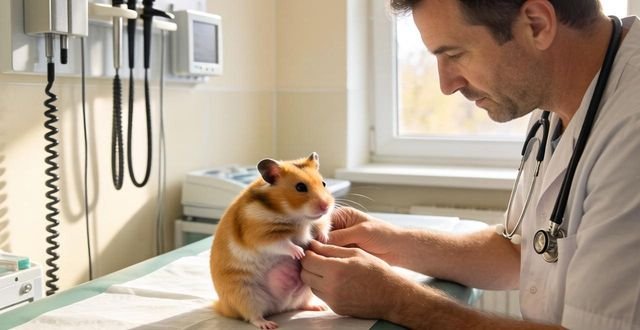
I never thought about pet insurance for my first hamster, Bubbles. He was like $15 at the pet store, right? How expensive could his medical bills actually be? Then one morning he wasn't running on his wheel and I found myself crying in an exotic vet parking lot holding a $400 estimate for respiratory treatment. That day, I learned something painful. Small pet does not mean cheap pet.
Do I really need insurance for a hamster?
That's what I googled after Bubbles. Sitting there in my car, still shaking. Here's the honest truth, and I'm not gonna pretend otherwise. Hamsters live about two to three years maximum. Some people say just put away $15 bucks a month and you'll be fine. On paper, that logic makes sense. But real life doesn't always follow paper logic.
Monthly premiums for hamster insurance usually range from $5 to $30 depending on the policy and your location. That's less than two cups of fancy coffee. A wellness check at an exotic vet runs about $75 to $100. Surgery, if your little buddy needs it, can cost $150 to $300 easily. I've personally seen emergency bills go over $500 for severe wet tail or respiratory distress.
What does hamster insurance actually cover?
This part can be confusing because not all policies treat small mammals the same way. Most exotic pet plans cover accidents like broken bones, sprains, and lacerations. They also cover illnesses, both one-time and chronic things like cancer. Tests, surgery, hospitalization, prescription meds, those are typically included too.
Here's the catch though. Pre-existing conditions are almost never covered. Routine check-ups and vaccinations usually aren't included either unless you buy a separate wellness plan. Nationwide is basically the only major player in the US that covers exotic pets like hamsters, with monthly premiums often under $21. I called them once and the rep actually knew what a hamster was,which surprisingly isn't guaranteed.
But is it worth it for such a tiny animal?
I've gone back and forth on this so many times. Some experienced owners on forums argue it's not worth it. One person calculated they'd pay about £300 annually for coverage, but most surgeries cost less than that anyway. Another owner mentioned they'd owned nine hamsters over ten years and only needed surgery once.
Then I saw a post from someone who spent $5,000 on a single hamster for surgeries and general vet care. Five thousand dollars. On a little fluffball that fits in your palm. So yeah, it really depends on luck and genetics and how far you're willing to go when things get bad.
Common health problems you should know about
Wet tail is the scary one. It's a severe intestinal disease that causes diarrhea and dehydration, and it can be fatal within 48 to 72 hours if not treated fast. Treatment often requires hospitalization, fluid therapy, and antibiotics. Budget $100 to $300 for that.
Respiratory infections happen a lot too. Drafts, dusty bedding, poor ventilation, all can trigger them. Medications run about $30 to $70. If things get bad enough to need hospitalization, you're looking at $100 to $250.
Dental problems are sneaky. Hamster teeth grow continuously. If they can't wear them down properly, teeth can overgrow and cause eating difficulties or mouth injuries. A dental procedure, which includes filing or trimming the teeth, usually costs $50 to $150.

Tumors and cysts. This one breaks my heart. Surgeries to remove growths can range from $150 to $400 or even higher depending on size, location, and the vet's expertise.
How to actually use a pet insurance portal for hamster coverage
If you're searching for hamster insurance online, most comparison portals and insurance aggregators don't list small mammals as a default option. You typically have to dig into "exotic pet" categories. MetLife offers exotic coverage but only operates in 19 states, so check if yours is on the list.
Some vets offer discount plans like Pet Assure, which isn't traditional insurance but a membership program that covers pre-existing conditions and all in-house medical services. That can be a decent alternative if traditional insurance feels like overkill.
The key is researching now, before something goes wrong. I remember scrolling through these portals at 2am once while Bubbles was sick, my hands literally shaking, trying to see if I could still sign up. That's not the time to compare deductibles and reimbursement rates, trust me.
A few things nobody tells you
Finding a vet who actually treats hamsters is harder than it should be. Exotic vets charge more because their expertise is specialized. Regular dog and cat clinics usually won't touch a hamster. Before you even buy insurance, locate an exotic vet in your area and ask if they take hamsters and what their consultation fee is.
Also, most pet insurance plans require you to pay the vet bill first, then submit a claim for reimbursement. You still need savings or a credit card to front the money. Some companies process claims within five days, but that doesn't help you in the emergency room at midnight.
So here's where I landed
After losing Bubbles and then getting two more hamsters (Leo and Peach, both Syrians), I decided to get insurance. Not because it mathematically made perfect sense, but because I couldn't handle another moment of choosing between my pet's life and my bank account. It's peace of mind insurance more than financial optimization.
Some months, I look at that premium leaving my account and think, huh, I haven't needed it. But that's kind of the point. You don't buy insurance for the months you don't need it. You buy it for that one terrifying Thursday night when you're Googling "24 hour exotic vet near me" and crying into a towel.
If you can afford to save $20 to $30 every month religiously and never touch that money, self-funding works fine. But I know myself, and I know I'm not that disciplined. So I pay the premium and sleep better.
My advice? Get quotes from a few different pet insurance portals. Call Nationwide and ask specific questions about their exotic coverage. Check if your employer offers pet insurance as a benefit, I was surprised to learn some actually do. And don't wait until your hamster is sneezing or not eating. By then, any issue becomes a pre-existing condition and you're out of luck.
Your hamster depends on you. They're tiny and fragile and they hide illness so well that by the time you notice something's wrong, it's often serious. That little creature running on its wheel at 3am doesn't know about deductibles or reimbursement rates. All they know is you're there when they need help. Insurance just makes sure you actually can be.