Let's cut to the chase. Vetting unexpected bills is the nightmare we all have. You're just trying to be a good pet parent, you know? Giving them the best life. Then bam. A weekend emergency. Bam. A chronic diagnosis. Suddenly you're staring at a number that makes your stomach drop. It's raw. It's real. That panic is something I wouldn't wish on anyone. Been there, done that, got the maxed-out credit card to prove it.
So, why am I sitting here, at my messy kitchen table with dog hair on my sweatpants, typing this? Because I learned the hard way that a good pet insurance portal in California isn't just a website. It's a lifeline. A little bit of that "take a deep breath" feeling in a world of veterinary inflation. Finding the right portal, it's a game changer. For you and your furry, feathered, or scaled friend.
How does a California pet insurance portal actually work?
Okay, so it's not magic. Well, maybe it feels like it when it works right. Think of it as your digital hub. You sign your pet up, you get a policy. The portal is where you log in to see your coverage details. To check your deductible, your annual limit, your reimbursement rate.
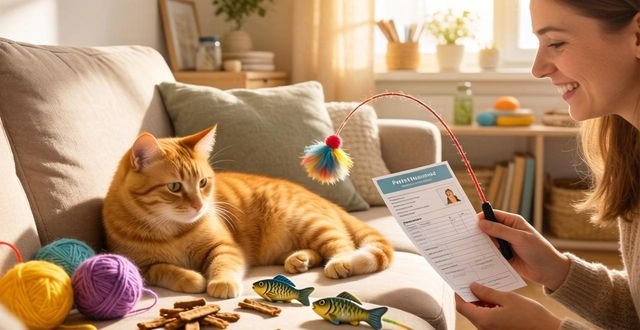
But the real action is in the claims. That's the moment of truth. You pay the vet upfront (that's how it works here), you get the invoice. Then you log into your portal, snap a pic of the bill, upload it. Some portals even connect directly with certain vets for direct pay. Saves you the up-front cash crunch. That's the dream feature, honestly.
It's about transparency. No more guessing what’s covered. You can review the claim status in real-time. "Pending," "Under Review," "Reimbursed." That little status bar is a monument to modern anxiety relief. I check it way too often after I submit one. A little obsessive. But hey, it's my money!
What do I need to know about California pet insurance waiting periods?
This right here. This is the trap. The one nobody reads about until it's too late.
When you sign up, there are waiting periods. It’s not active the second you click "pay." Accidents might be covered in a few days. But illnesses? Usually a 14-day wait. Cruciate ligament stuff? Could be six months! So if your new pup tears a knee the week after you sign up, you're likely out of luck. It’s not a scam, it's to prevent people from only signing up after something happens. Makes sense, but man, it stings if you don't know.
For older pets in California, the pre-existing condition clause is king. Anything that showed symptoms before your coverage started is a permanent "no." Portal won't even ask for the bill. So the best time to get coverage? As soon as you bring a new pet home. That's the golden rule. Don't wait for the first vet visit to find something.
Is there a difference between pet insurance portals for dogs and cats in California?
In the portal experience? Not really. The websites function the same. Upload bill, track claim.

The difference is in the policies available. That's what you compare on the portals. Cats are generally cheaper to insure. Way cheaper. Their veterinary costs are often lower. But the coverage options are similar: accident-only plans, comprehensive accident and illness, wellness add-ons.
But the devil's in the details you see in the portal. Breed-specific exclusions for dogs. The fine print on hereditary conditions. A big, active dog breed in California might have a different risk profile than an indoor cat. The portals will list your pet's specific plan terms. Read them. Right there on your dashboard. Don't just admire the cute picture of your pet you uploaded.
It all flows through the same digital interface. The logic is the same. The peace of mind is the same.
How can I avoid common pitfalls with my portal claims in CA?
Let me be your ghost of claims future. Learn from my mistakes.
First, get itemized invoices from your vet. Every single time. The portal needs to see the breakdown. "Office visit: $85." "Blood panel: $120." "Medication: $45." A single line that says "services: $250" will get rejected. Guaranteed. The portal's system can't match it to your benefit schedule.
Second, submit fast. Don't let the receipts pile up on your fridge. Most portals have a submission deadline, like 90 days. Life gets busy. I nearly missed one because the crumpled bill got lost under a pizza menu. Log in and do it while you're waiting at the vet's office. Use your phone. It takes two minutes.
Check your portal's preferred format. PDF? JPG? Sometimes the app's scanner works better than a photo. Clarity matters. Also, know your annual limit. That dashboard shows you what's left. Don't assume you have unlimited coverage. You likely don't. Seeing that number tick down is... sobering.
It's a tool. A powerful one. But you have to use it right. It's interactive. It requires your attention. Just like your pet's health. It's all connected.
The right portal feels like a partner. The wrong one feels like a brick wall. In California, with our specific vet costs and lifestyle, you need a portal that gets it. One that's designed for our reality. Not some generic one-size-fits-all system.
Finding that took me a while. A lot of comparing, reading fine print on the portal demos, and frankly, asking other pet owners in the dog park. Real advice from real people facing the same bills. That’s the secret source the comparison sites miss. That lived experience. It matters.
So my last bit of human, unpolished advice? Don't just look at the monthly premium on the portal's front page. Dig in. See the claim process. Imagine using it at 2 AM after an emergency vet visit. That's the test. The true test of any pet insurance portal in California, or anywhere. It's not about the price tag. It's about the promise. And whether it feels real.