
Introduction: I Bought the Promise, Not the Product
When I first bought pet insurance, I didn’t buy a policy.
I bought a story.
A story told through clean websites, friendly language, smiling pets, and comforting phrases like “peace of mind” and “comprehensive coverage.” I believed pet insurance would remove fear from emergencies.
What I didn’t realize was that marketing doesn’t protect pets — understanding does.
This article is a direct response to everything I thought pet insurance was, versus what it actually became in my real life as a U.S. pet owner in 2026.
Myth #1: “Pet Insurance Covers Most Vet Bills”
Reality: Coverage Is Selective, Conditional, and Context-Driven
This was the biggest lie I believed — not because insurers said it directly, but because they let me assume it.
In reality, coverage depends on:
-
When the condition first appeared
-
How the vet documents it
-
Whether it’s classified as chronic, hereditary, or pre-existing
-
Which state you live in
I learned this during my first major claim. The treatment was necessary. The diagnosis was legitimate. The reimbursement was partial — and legally correct.
Emotionally, it felt like a betrayal.
Logically, it was my misunderstanding.
Myth #2: “If It’s Covered Once, It’ll Be Covered Again”
Reality: Renewals Change Everything
I assumed coverage was cumulative. Once approved, always approved.
Wrong.
Policies renew annually, and that renewal is a quiet reset. Terms can change. Premiums can increase. Coverage interpretations can tighten — all without a dramatic announcement.
I found this out when a condition that had been reimbursed once suddenly fell into a gray area the following year.
Nothing felt more destabilizing than realizing past approval doesn’t guarantee future protection.
Myth #3: “High Coverage Limits Mean Strong Protection”
Reality: Limits Look Big Until Sub-Limits Appear
I used to chase the biggest annual limit available.
What I didn’t understand:
-
Diagnostics may have caps
-
Alternative treatments may be excluded
-
Certain therapies get reimbursed at lower rates
So yes, the policy had a high limit — but my usable coverage was much smaller.
What I Learned the Hard Way
| What I Believed | What Happened |
|---|---|
| High limit = safety | Sub-limits reduced payouts |
| 90% reimbursement | Applied after deductions |
| “Unlimited” | Conditional, not absolute |
Marketing loves big numbers. Reality lives in footnotes.
Myth #4: “Affordable Plans Are Smart Financial Choices”
Reality: Cheap Plans Often Shift Risk Back to You
I once switched to a cheaper plan to save money.
The savings looked great — until the first claim.
Lower premiums came with:
-
Higher deductibles
-
Narrower definitions
-
More exclusions
I wasn’t saving money. I was postponing pain.
Affordable pet insurance is only affordable if it actually pays when needed.
Myth #5: “Pre-Existing Conditions Only Apply to Serious Illnesses”
Reality: Minor Symptoms Can Follow You Forever
This myth hurt the most.
I thought pre-existing conditions meant major diagnoses.
In practice, they include:
-
Vomiting episodes
-
Minor limps
-
Skin irritations
-
Anything documented before enrollment
Once it’s in the medical record, it never disappears — even if it seemed harmless at the time.
I learned this when a casual vet note from years earlier became the basis for a denial.
Myth #6: “Reimbursement Is Basically Like Human Health Insurance”
Reality: You Pay First — Stress Later
I assumed pet insurance worked like my own health insurance.
It doesn’t.
You pay upfront.
You submit claims.
You wait.
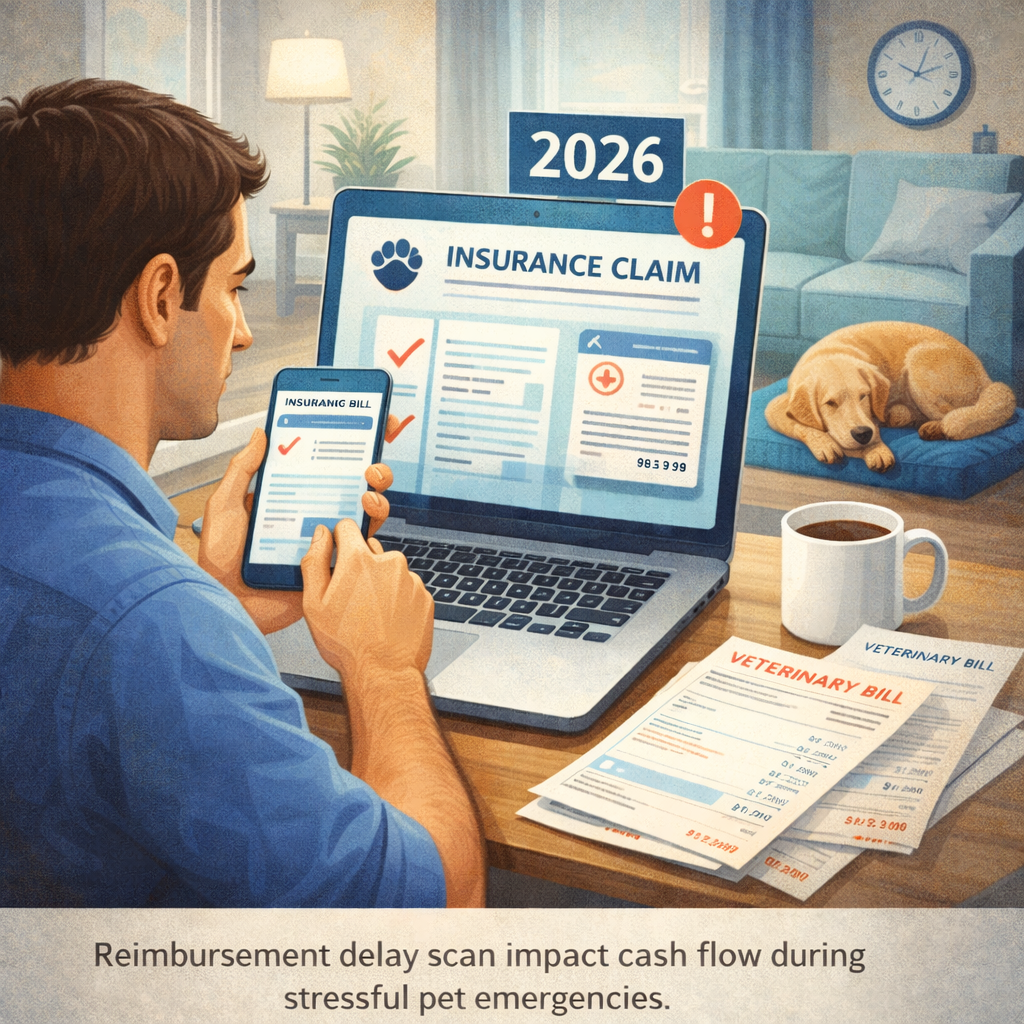
During emergencies, this gap matters emotionally and financially. Insurance doesn’t eliminate stress — it delays relief.
That delay reshaped how I evaluate plans now.
Myth #7: “Claims Are Denied Because People Make Mistakes”
Reality: Many Denials Are Structural
Yes, paperwork errors happen. But many denials are systemic.
They come from:
-
Vague language
-
Automated claim reviews
-
Conservative interpretations
Once I realized this, I stopped blaming myself — and started building documentation strategies.
Myth #8: “Pet Insurance Gives Peace of Mind”
Reality: Only Informed Pet Owners Feel Calm
This myth is subtle — and dangerous.
Insurance doesn’t automatically create peace of mind. Understanding does.
Before I educated myself:
-
Insurance increased my anxiety
-
Claims created guilt
-
Every decision felt wrong
After I adjusted my expectations:
-
I felt prepared
-
I budgeted realistically
-
I stopped feeling tricked
Peace of mind is earned, not sold.
The Turning Point: When I Stopped Believing the Ads
The biggest change wasn’t my policy.
It was my mindset.
I stopped expecting insurance to:
-
Be generous
-
Be fair emotionally
-
Save me from every bill
And started using it as:
-
Catastrophic protection
-
A reimbursement tool
-
One part of a larger financial strategy
That shift changed everything.
What Savvy U.S. Pet Owners Do Differently
From experienced users and experts, the best practices are clear:
✔ Ignore slogans, read exclusions
✔ Ask about state-specific rules
✔ Expect premiums to rise
✔ Assume some claims will be denied
✔ Build emergency savings alongside insurance
The most satisfied users aren’t luckier — they’re less surprised.
Final Reflection: The Truth Isn’t Pretty — But It’s Powerful
Pet insurance didn’t become worse.
I just stopped romanticizing it.
Once I saw through the myths, the system made sense. Not perfect sense — but usable sense.
If this article helps you question one headline, read one clause more carefully, or avoid one bad plan — then it has done its job.
Because in pet insurance, the most expensive thing isn’t premiums.
It’s believing the wrong story.