Introduction: Why Pet Insurance Law Matters
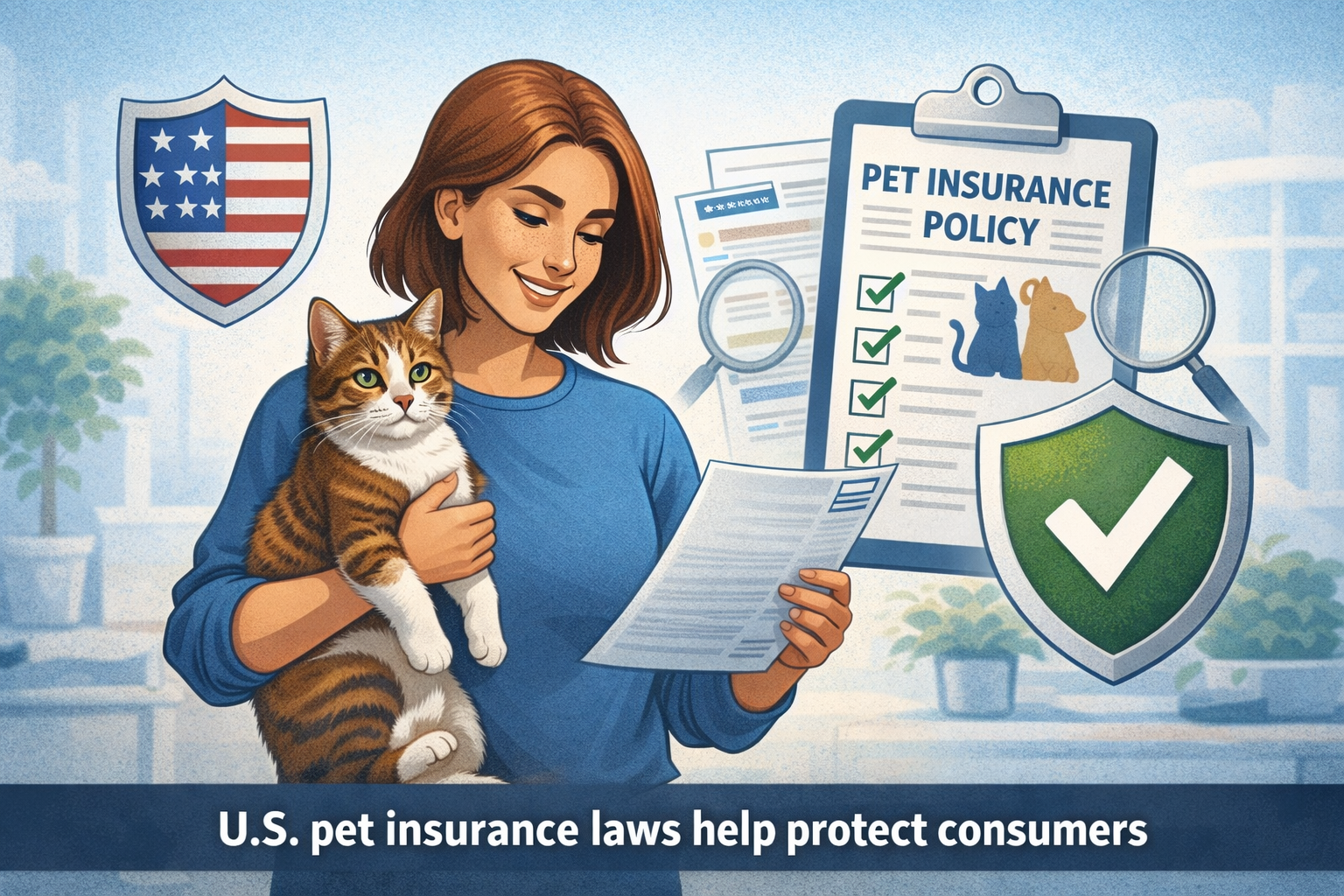
As pet insurance adoption grows across the United States, understanding pet insurance laws and consumer protections in the U.S. has become increasingly important. In 2026, pet insurance is no longer a niche product—it is a regulated financial contract that directly affects how pet owners access veterinary care and manage financial risk.
Unlike human health insurance, pet insurance operates under a complex legal framework governed primarily at the state level. This article provides a comprehensive overview of how pet insurance is regulated, what legal protections exist for pet owners, and how these laws influence coverage, pricing, and claims handling.
How Pet Insurance Is Regulated in the United States
Pet insurance in the U.S. is regulated by individual states rather than the federal government. Each state’s insurance department oversees:
-
Licensing of pet insurance providers
-
Approval of policy forms
-
Compliance with consumer protection statutes
-
Enforcement of fair claims practices
Because of this structure, pet insurance laws can vary significantly from one state to another.
Legal Classification of Pet Insurance
Legally, pet insurance is generally classified as property and casualty insurance, not health insurance. This classification has important implications:
-
Pets are considered property under U.S. law
-
Coverage focuses on reimbursement rather than direct payment
-
Policies are not subject to federal health insurance mandates
This legal framework explains why pet insurance differs so fundamentally from human health coverage.
Model Laws and National Standards
To improve consistency, many states adopt or reference model laws developed by regulatory organizations. These models aim to standardize pet insurance disclosures, definitions, and consumer protections.
Key objectives include:
-
Reducing confusion about coverage terms
-
Ensuring transparency in policy language
-
Protecting pet owners from misleading marketing
While adoption varies, these models influence the overall regulatory landscape.
Disclosure Requirements and Transparency
One of the strongest consumer protections in pet insurance law involves mandatory disclosures. In many states, insurers must clearly disclose:
-
Pre-existing condition definitions
-
Waiting periods
-
Coverage limits and exclusions
-
Reimbursement percentages and deductibles
Clear disclosures help pet owners make informed purchasing decisions and avoid unexpected claim denials.
Pre-Existing Conditions and Legal Safeguards
Pre-existing conditions are a common source of disputes between pet owners and insurers.
Legal Protections May Include:
-
Required definitions distinguishing curable and incurable conditions
-
Disclosure of how medical history is reviewed
-
Prohibitions against retroactive exclusions
These safeguards vary by state but are increasingly common as regulators respond to consumer concerns.
Claims Handling and Fair Practices Laws
Most states enforce unfair claims practices acts, which apply to pet insurance.
These laws typically require insurers to:
-
Acknowledge claims promptly
-
Conduct reasonable investigations
-
Provide written explanations for claim denials
-
Pay approved claims within specified timeframes
Such protections help ensure that pet owners are treated fairly throughout the claims process.
Cancellation, Renewal, and Non-Renewal Rules
State laws also regulate how pet insurance policies can be canceled or non-renewed.
Common legal requirements include:
-
Advance notice before cancellation
-
Restrictions on mid-term cancellation
-
Rules governing premium increases at renewal
These protections provide stability and predictability for pet owners.
Consumer Rights During Policy Disputes
When disputes arise, pet owners are not without recourse.
Available Options May Include:
-
Filing complaints with state insurance departments
-
Requesting internal insurer reviews
-
Pursuing mediation or arbitration
-
Seeking civil remedies in court
State insurance departments play a critical role in resolving disputes and enforcing compliance.
Marketing and Advertising Regulations
Pet insurance marketing is subject to state laws that prohibit misleading or deceptive practices.
Insurers must avoid:
-
Overstating coverage benefits
-
Misrepresenting exclusions
-
Using unclear or ambiguous language
These rules protect pet owners from purchasing policies based on inaccurate information.
Data Privacy and Pet Owner Information
As pet insurance becomes more digital, data protection has gained importance.
State laws may govern:
-
Use of personal and veterinary data
-
Data sharing with third parties
-
Security measures to prevent breaches
Pet owners should review privacy policies carefully to understand how their information is handled.
Differences Between States: Why Location Matters
Because regulation occurs at the state level, pet insurance protections differ across the country.
States With Strong Protections
Often feature:
-
Detailed disclosure requirements
-
Strict claims-handling timelines
-
Active regulatory oversight
States With Minimal Regulation
May offer:
-
Greater flexibility for insurers
-
Less standardized policy language
Understanding your state’s regulatory environment helps set realistic expectations.
Recent Trends in Pet Insurance Regulation
In recent years, regulators have focused on:
-
Improving clarity around pre-existing conditions
-
Standardizing terminology
-
Strengthening enforcement mechanisms
These trends are expected to continue through 2026 as pet insurance adoption increases.
How Pet Owners Can Protect Themselves
Even with legal protections, pet owners should take proactive steps:
-
Read policy documents carefully
-
Retain copies of disclosures and endorsements
-
Document veterinary visits and diagnoses
-
Contact state insurance departments with concerns
Informed consumers experience fewer disputes and better outcomes.
The Role of State Insurance Departments
State insurance departments are the primary enforcement bodies for pet insurance law.
They:
-
License insurers
-
Review policy forms
-
Investigate complaints
-
Impose penalties for noncompliance
Pet owners should not hesitate to use these resources.
Why Consumer Protections Strengthen Pet Insurance Value
Strong legal protections enhance trust in pet insurance by:
-
Reducing uncertainty
-
Ensuring fair treatment
-
Promoting transparent practices
As regulations evolve, pet insurance becomes a more reliable financial tool for pet owners.
Conclusion: Navigating Pet Insurance Laws With Confidence
In 2026, understanding pet insurance laws and consumer protections in the U.S. is essential for making informed coverage decisions. While regulations vary by state, the overall trend favors greater transparency, fairness, and accountability.
By familiarizing themselves with legal protections and actively reviewing policy terms, pet owners can confidently select pet insurance that aligns with both their needs and their rights—ensuring better care and financial security for their pets.