Introduction: I Didn’t Quit Pet Insurance — But I Almost Did
There was a moment — late at night, after another denied claim email — when I hovered over the “Cancel Policy” button.
I wasn’t angry anymore.
I was exhausted.
Pet insurance had stopped feeling like protection and started feeling like a bad relationship: unclear expectations, constant disappointment, and just enough hope to keep me from walking away.
This article is about that breaking point — and what I learned after it.
Not the beginner lessons.
Not the marketing explanations.
This is about what happens after pet insurance lets you down, and how I rebuilt a system that actually works for me in 2026.
The Emotional Cost No One Warns You About
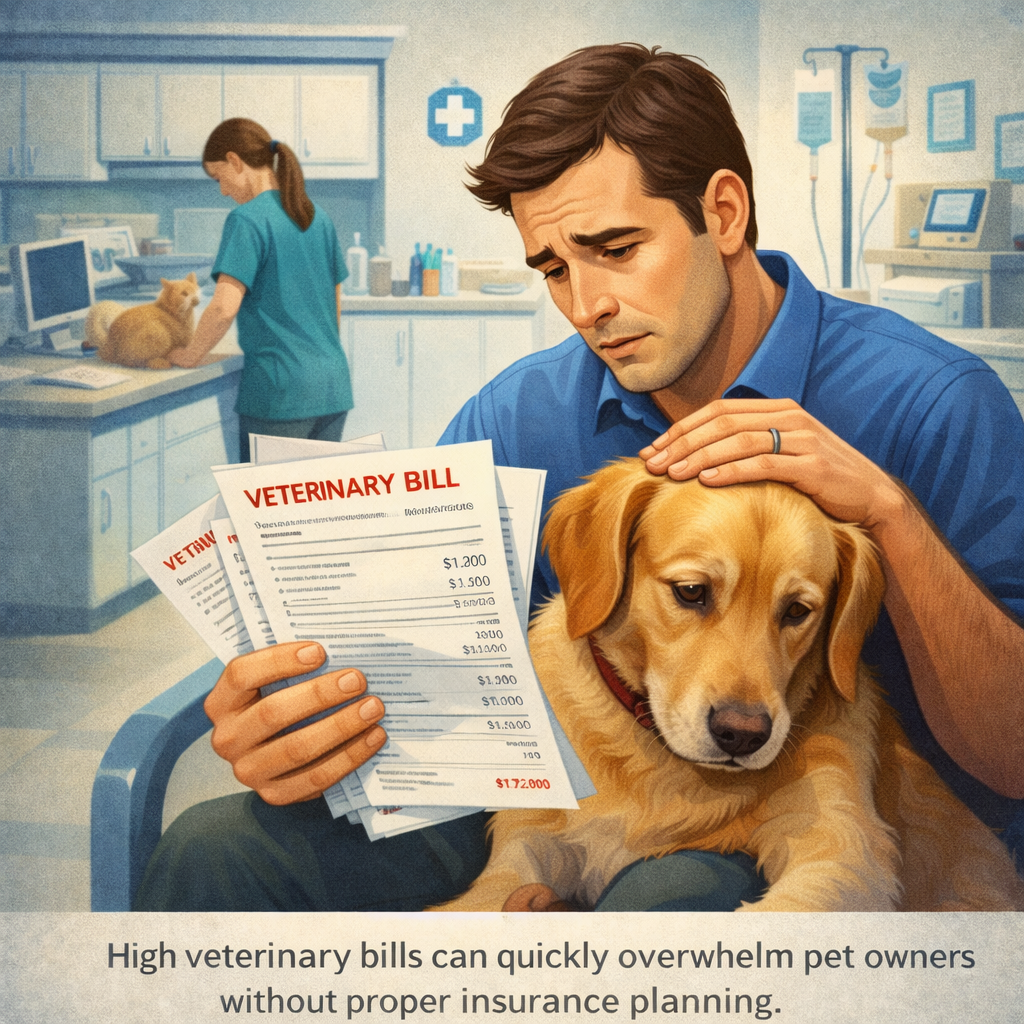
Pet insurance isn’t just a financial product.
It’s emotional leverage.
When your pet is sick, you’re vulnerable. Insurers know this — even if they’d never admit it. Every policy clause suddenly matters more than it ever should.
I noticed something disturbing in myself:
-
I delayed vet visits, hoping symptoms would pass
-
I questioned medical advice because of coverage fears
-
I felt guilty for thinking about money at all
That’s when I realized:
Bad insurance decisions don’t just cost money — they distort behavior.
Where I Got Burned the Worst: Coverage Assumptions
Keyword Focus: Best pet insurance plans for high vet bills
I assumed that “high coverage limits” meant meaningful protection.
It doesn’t.
Here’s what I misunderstood:
-
Annual limits don’t apply evenly
-
Sub-limits quietly cap expensive treatments
-
Diagnostic tests are often reimbursed differently than procedures
My plan technically had a high limit, but once exclusions and percentages kicked in, my real protection was far lower than I expected.
That realization felt like betrayal — because I had trusted the headline number.
Senior Pets Changed Everything
Keyword Focus: Affordable pet insurance for senior dogs and cats
As my dog aged, the emotional stakes skyrocketed.
Suddenly, every decision felt final.
“Is this test worth it?”
“Should we treat aggressively?”
What insurance companies don’t prepare you for is how aging turns insurance into triage.
Affordable plans for senior pets often:
-
Raise premiums aggressively
-
Exclude chronic issues
-
Reduce reimbursement quietly
I felt like I was paying more for less — and there was no honest warning about that transition.
Hereditary Conditions Felt Like a Legal Trap
Keyword Focus: Pet insurance coverage for hereditary conditions
The word hereditary sounds clinical. Neutral. Scientific.
In insurance language, it’s a weapon.
Once that label appeared in my pet’s medical record, it followed us everywhere. Every new quote referenced it. Every underwriter flagged it.
What hurt most wasn’t the exclusion — it was the retroactive feeling:
“If I had known this earlier, I would have chosen differently.”
That regret is common. And it’s avoidable — but only with painful awareness upfront.
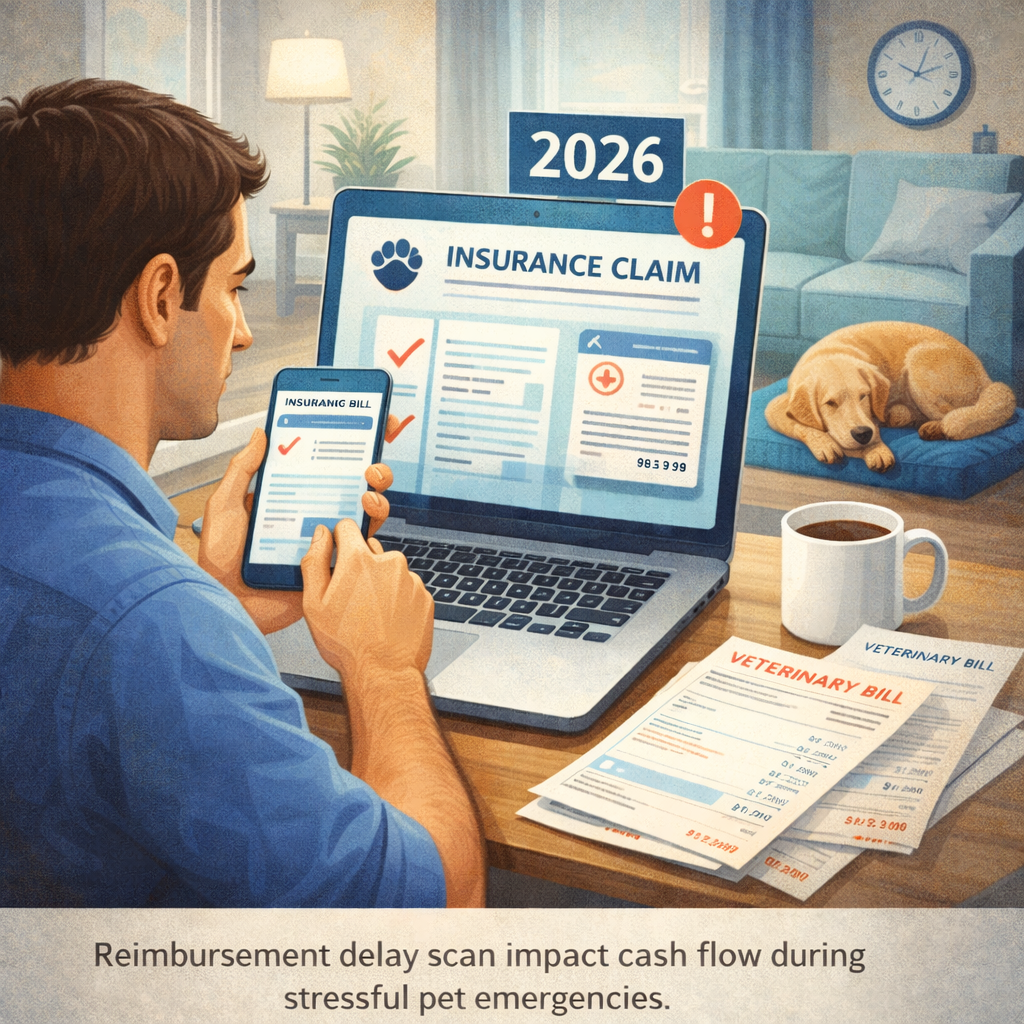
Reimbursement Delays Made Emergencies Worse
Keyword Focus: How pet insurance reimbursement works in 2026
Even with improved tech, reimbursement still assumes emotional calm.
But emergencies are chaos.
I remember sitting in my car after a vet visit, refreshing my banking app, calculating how long I could float the charge if reimbursement was delayed.
Insurance didn’t remove stress — it rescheduled it.
This taught me to evaluate plans not just by percentages, but by cash flow realism.
State-by-State Pricing Felt Arbitrary
Keyword Focus: Pet insurance cost comparison by state
When I compared quotes across states, the variation felt absurd.
Same pet.
Same coverage.
Different state = completely different pricing logic.
This broke my illusion that pet insurance was standardized. It isn’t. It’s fragmented, reactive, and heavily influenced by regional economics.
Many users overpay simply because they never question regional pricing differences.
Pre-Existing Conditions: The Emotional Dead End
Keyword Focus: Pre-existing condition pet insurance solutions
Pre-existing conditions don’t just block coverage — they create helplessness.
Once a condition exists on paper, you’re negotiating from a position of weakness. Most insurers won’t budge.
The only “solutions” I found were:
-
Long symptom-free waiting periods
-
Partial coverage carve-outs
-
Alternative budgeting strategies outside insurance
That’s when I accepted a hard truth:
Insurance is not retroactive care.
Deductibles Finally Forced Me to Grow Up
Keyword Focus: Pet insurance deductible and reimbursement strategies
I stopped choosing deductibles emotionally.
Instead, I ran scenarios.
My Rebuilt Decision Framework
| Question | Old Me | New Me |
|---|---|---|
| Monthly comfort | Priority | Secondary |
| Emergency tolerance | Ignored | Modeled |
| Claim frequency | Assumed | Tracked |
| Worst-case scenario | Avoided | Planned |
This shift changed everything. My plan finally matched my reality, not my fear.
Claim Denials Were the Final Lesson
Keyword Focus: Pet insurance claims denials reasons and fixes
I used to take denials personally.
Now I treat them procedurally.
I learned:
-
Denials are often automated
-
Appeals matter more than first submissions
-
Documentation is leverage
Once I stopped being emotional and started being systematic, my approval rate improved noticeably.
What Other U.S. Pet Owners Are Experiencing (Patterns)
Across forums, Reddit threads, and expert summaries, the same stories repeat:
-
“I thought it covered more.”
-
“No one explained exclusions.”
-
“Premiums jumped without warning.”
-
“I wish I had bought earlier.”
The difference between regret and satisfaction usually comes down to expectation management, not luck.
How I Rebuilt My Pet Insurance Strategy
This is what finally worked:
✔ Insurance for catastrophes, not everything
✔ Separate emergency savings fund
✔ Medium deductible, high reimbursement
✔ Annual plan audits
✔ Emotional detachment from marketing
Insurance stopped being emotional insurance — and became financial infrastructure.
Final Reflection: Insurance Didn’t Fail — My Expectations Did
This is hard to admit.
Pet insurance didn’t lie to me.
It just didn’t protect me the way I imagined it would.
Once I corrected that illusion, everything improved:
-
Less resentment
-
Better decisions
-
More confidence during emergencies
Pet insurance in 2026 isn’t about peace of mind.
It’s about prepared realism.
And that realism is something I earned the hard way.