

Introduction: Why Pet Owners Are Asking This Question in 2026
As veterinary medicine advances and pet healthcare costs continue to rise, many pet owners are asking a critical question: is pet insurance worth it in 2026? For millions of American households, pets are family members, and decisions about medical care are no longer optional but emotionally and financially significant.
In 2026, pet insurance occupies a unique position at the intersection of rising costs, evolving state regulations, and changing consumer expectations. This article provides an in-depth, evidence-based analysis to help pet owners determine whether pet insurance delivers real value, how it compares to self-funding care, and which types of pet owners benefit most.
Understanding the Purpose of Pet Insurance
At its core, pet insurance is designed to reduce financial risk. Rather than eliminating veterinary costs entirely, it helps pet owners manage unexpected and high-cost medical events.
Pet insurance typically covers:
-
Accidents and injuries
-
Acute and chronic illnesses
-
Diagnostic testing and hospitalization
-
Specialized treatments such as surgery or oncology
The fundamental value proposition is not saving money on routine care, but protecting against catastrophic pet medical expenses.
Veterinary Costs in 2026: The Financial Reality
To evaluate whether pet insurance is worth it in 2026, pet owners must first understand current cost trends.
Rising Veterinary Expenses
Key drivers include:
-
Advanced diagnostic technologies
-
Increased use of specialists
-
Higher labor and facility costs
-
Expanded treatment options
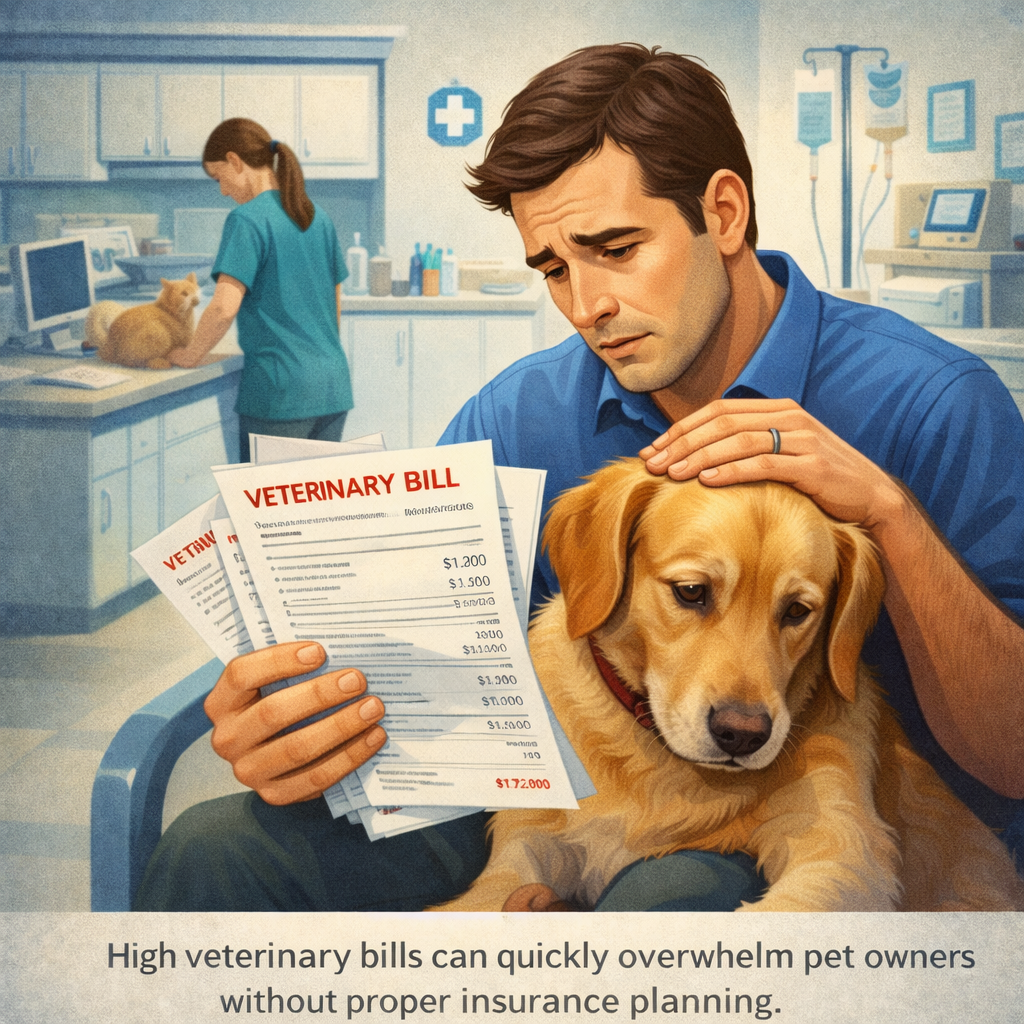
A single emergency visit can easily exceed $2,000, while chronic disease management may cost thousands annually.
Average Pet Insurance Premiums vs. Out-of-Pocket Costs
While exact figures vary, most pet insurance policies in 2026 fall into a predictable range.
Typical Pet Insurance Costs
-
Monthly premiums: moderate and predictable
-
Deductibles: annual or per-condition
-
Reimbursement rates: usually 70%–90%
When compared to unpredictable veterinary bills, many pet owners view premiums as a form of financial stability.
Risk Management: The Core Value of Pet Insurance
From a financial perspective, pet insurance functions as a risk-transfer tool.
Without insurance, pet owners face:
-
High-cost emergencies
-
Difficult treatment decisions driven by budget
-
Long-term financial strain
With pet insurance, costs are distributed over time, allowing pet owners to focus on medical decisions rather than immediate affordability.
When Pet Insurance Is Most Worth It
Pet insurance is not equally valuable for every situation. It tends to provide the greatest benefit under specific conditions.
High-Risk Pets
-
Large-breed pets
-
Breeds prone to hereditary conditions
-
Active or working pets
Long-Term Pet Ownership
Pet insurance becomes more valuable over time as the probability of illness or injury increases.
Owners Seeking Financial Predictability
Monthly premiums offer budget stability compared to unpredictable veterinary expenses.
Situations Where Pet Insurance May Be Less Valuable
Pet insurance may not be ideal for every pet owner.
Self-Funding Alternatives
Some pet owners maintain a dedicated savings fund for veterinary care. This approach works best for:
-
Owners with strong financial discipline
-
Low-risk pets
-
Willingness to absorb large one-time expenses
Late Enrollment
Pets enrolled later in life may face:
-
Higher premiums
-
More exclusions for pre-existing conditions
Emotional and Ethical Considerations
Beyond finances, pet insurance has emotional value.
Pet owners without insurance may face:
-
Delayed treatment decisions
-
Emotional distress due to cost constraints
-
Guilt associated with declining care
Pet insurance reduces these pressures by aligning financial capability with medical needs.
Comparing Pet Insurance to Emergency Savings
A common question is whether saving money independently is better than paying premiums.
Pet Insurance Advantages
-
Immediate coverage for large expenses
-
Protection against worst-case scenarios
-
No need to accumulate savings before coverage applies
Savings Account Limitations
-
Insufficient funds during early emergencies
-
Risk of fund depletion
-
No risk pooling
For many pet owners, pet insurance provides faster and more reliable protection.
How State Regulations Influence Value
State laws affect:
-
Policy transparency
-
Claim handling requirements
-
Consumer protections
In states with stronger regulatory frameworks, pet insurance value is enhanced through clearer coverage terms and fairer claims processes.
Evaluating Return on Investment (ROI)
Pet insurance ROI should not be measured solely by whether claims exceed premiums.
Instead, consider:
-
Financial risk reduction
-
Access to advanced care
-
Peace of mind
Even if a pet never experiences a major illness, the insurance still fulfills its protective purpose.
Trends Shaping Pet Insurance Value in 2026
Several trends are improving the overall value of pet insurance.
Increased Transparency
Clearer policy language and standardized disclosures help pet owners make informed decisions.
Expanded Coverage Options
Customization allows pet owners to balance cost and protection.
Improved Claims Technology
Faster reimbursements enhance user experience.
Who Should Strongly Consider Pet Insurance in 2026
Pet insurance is particularly worth considering for:
-
New pet owners
-
Owners of purebred or large pets
-
Households with limited emergency savings
-
Those seeking long-term cost predictability
These groups experience the greatest financial and emotional benefits.
Common Misconceptions About Pet Insurance
Many pet owners mistakenly believe:
-
Pet insurance covers routine care by default
-
All policies are identical nationwide
-
Claims are difficult to file
Understanding actual coverage terms eliminates these concerns.
Making an Informed Decision
Before deciding, pet owners should:
-
Assess their financial risk tolerance
-
Review pet health history
-
Compare multiple pet insurance policies
-
Understand state-specific regulations
An informed decision aligns coverage with real needs.
Conclusion: Is Pet Insurance Worth It in 2026?
So, is pet insurance worth it in 2026? For many pet owners, the answer is yes—especially when viewed as a risk management tool rather than a savings mechanism.
With rising veterinary costs, evolving state regulations, and improved insurance offerings, pet insurance provides financial protection, emotional reassurance, and access to better care. While not universally necessary, it remains a highly valuable option for pet owners who want stability and peace of mind in an increasingly complex pet healthcare landscape.