

Introduction: Understanding the Average Cost of Pet Insurance
In 2026, pet insurance has moved from a niche product to a mainstream financial planning tool for American households. As veterinary care becomes more advanced—and more expensive—pet owners increasingly seek predictable ways to manage medical costs. One of the most common questions asked by consumers is: what is the average pet insurance cost in the United States?
While averages provide a useful starting point, they can also be misleading if taken out of context. Pet insurance pricing varies widely based on pet type, age, location, and coverage level. This article examines the national average cost of pet insurance in 2026, explains what those numbers truly represent, and helps pet owners use average pricing data to make informed insurance decisions.
What Does “Average Pet Insurance Cost” Really Mean?
The phrase average pet insurance cost refers to the mean premium paid by pet owners across the United States. However, this figure blends together a wide range of plans, coverage levels, and pet profiles.
Key variables included in national averages:
-
Dogs and cats
-
Accident-only and comprehensive plans
-
Young and senior pets
-
High-cost and low-cost states
Because of this, average cost figures should be viewed as benchmarks, not exact predictions of individual premiums.
Average Pet Insurance Cost in the United States (2026)
Based on aggregated market data and insurer disclosures, the average pet insurance cost in the United States in 2026 generally falls within the following ranges:
-
Dogs: $40–$65 per month
-
Cats: $20–$35 per month
-
All pets combined (national average): approximately $45 per month
On an annual basis, this translates to:
-
Dogs: $480–$780 per year
-
Cats: $240–$420 per year
These figures reflect comprehensive accident-and-illness plans with mid-range deductibles and reimbursement levels.
Monthly vs Annual Pet Insurance Costs
Pet insurance premiums are typically quoted monthly, but understanding annual costs is critical for long-term budgeting.
Monthly Perspective
Monthly payments make pet insurance feel affordable and manageable. Many pet owners focus solely on this figure when comparing plans.
Annual Perspective
Annual costs reveal the true financial commitment. A difference of $10 per month becomes $120 per year—significant over a pet’s lifetime.
Evaluating pet insurance using both monthly and annual figures leads to better decision-making and fewer surprises.
Average Cost by Pet Type: Dogs vs Cats
Dogs
Dogs are more expensive to insure due to:
-
Higher likelihood of accidents
-
Larger medication dosages
-
Greater use of surgical and specialty care
As a result, the average dog insurance premium is consistently higher across all U.S. regions.
Cats
Cats typically have lower premiums because:
-
Fewer traumatic injuries
-
Smaller size and lower treatment costs
-
Lower claim frequency
However, chronic conditions such as kidney disease or dental issues can still lead to substantial long-term costs.
Despite lower averages, cat insurance remains a valuable financial tool for pet owners.
How Coverage Level Affects Average Pet Insurance Cost
National averages are heavily influenced by the type of coverage chosen.
Accident-Only Plans
-
Lowest premiums
-
Limited coverage scope
-
Average cost: $10–$20 per month
Accident and Illness Plans
-
Most common choice
-
Balanced coverage and cost
-
Average cost: $30–$60 per month
Comprehensive Plans with Wellness Add-Ons
-
Highest premiums
-
Includes preventive care
-
Average cost: $60–$90 per month
Pet owners should compare coverage benefits, not just average cost figures.
Deductibles, Reimbursement Rates, and Cost Averages
Average pet insurance cost also depends on policy structure:
-
Deductibles: Higher deductibles lower premiums
-
Reimbursement rates: 70%, 80%, or 90% options
-
Annual limits: Higher limits increase premiums
Many average cost figures assume:
-
$250–$500 deductible
-
80% reimbursement
-
$10,000–$15,000 annual limit
Customizing these variables can significantly shift actual costs above or below national averages.
Geographic Influence on the National Average
Although this article focuses on national averages, geography still plays a major role. High-cost states disproportionately influence the national average pet insurance cost in the United States.
States with above-average impact include:
-
California
-
New York
-
Massachusetts
-
Washington
Pet owners in lower-cost regions may find their premiums well below the national average.
How Inflation Is Impacting Pet Insurance Costs in 2026
Inflation remains a significant driver of rising pet insurance premiums. Key contributors include:
-
Increased labor costs in veterinary clinics
-
Advanced diagnostic and treatment technologies
-
Rising pharmaceutical prices
-
Higher demand for specialty care
While pet insurance helps offset these rising costs, premiums themselves have gradually increased to reflect industry-wide inflation.
Is the Average Pet Insurance Cost Still Affordable?
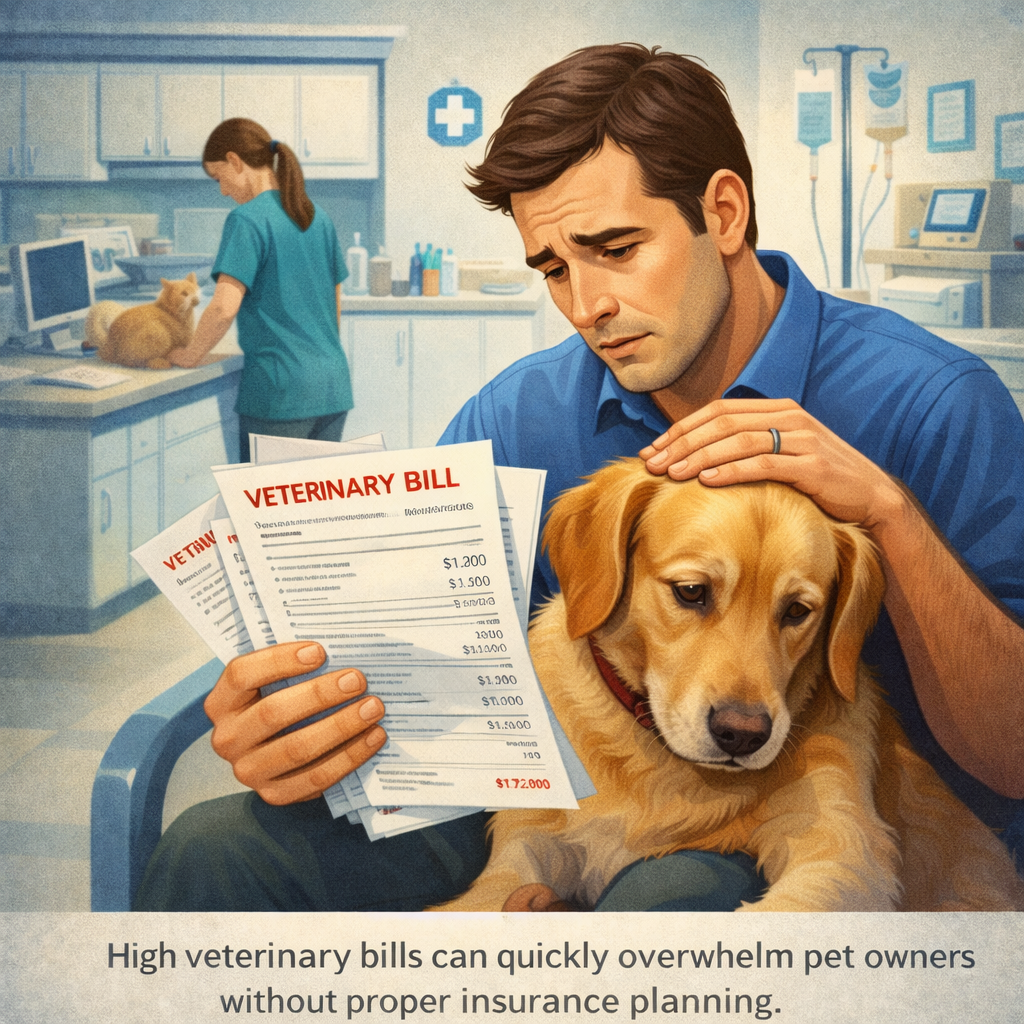
Affordability depends on perspective. When compared to the cost of a single emergency surgery—which can exceed $5,000—the average pet insurance premium remains relatively modest.
Pet insurance transforms unpredictable, high-impact expenses into predictable monthly costs. For many households, this trade-off improves financial stability.
However, pet owners with substantial savings and high risk tolerance may prefer to self-insure.
Common Misinterpretations of Average Cost Data
Pet owners often misunderstand average cost statistics. Common mistakes include:
-
Assuming averages apply equally in every state
-
Ignoring coverage limitations behind low premiums
-
Overlooking deductible and reimbursement impacts
-
Comparing averages without evaluating benefits
Using average pet insurance cost data responsibly requires context and personalization.
How Pet Owners Should Use Average Cost Information
Average cost figures are most useful when:
-
Establishing a general budget range
-
Comparing insurance quotes for fairness
-
Identifying unusually expensive or cheap plans
-
Setting expectations before requesting quotes
Pet owners should always supplement national averages with personalized quotes.
Trends Shaping Pet Insurance Pricing Beyond 2026
Looking ahead, several trends will influence average pet insurance costs:
-
Increased policy customization
-
Greater transparency in pricing
-
State-level regulatory refinement
-
Growth in digital claims processing
These changes may improve value even if average premiums continue to rise.
Conclusion: Putting Average Pet Insurance Costs Into Perspective
The average pet insurance cost in the United States in 2026 provides a valuable benchmark, but it should never be the sole basis for decision-making. Real-world premiums depend on pet type, coverage level, location, and individual risk factors.
By understanding how averages are calculated and what influences them, pet owners can use national cost data intelligently—balancing affordability with meaningful protection. In an era of rising veterinary expenses, pet insurance remains one of the most effective tools for managing pet healthcare costs responsibly.