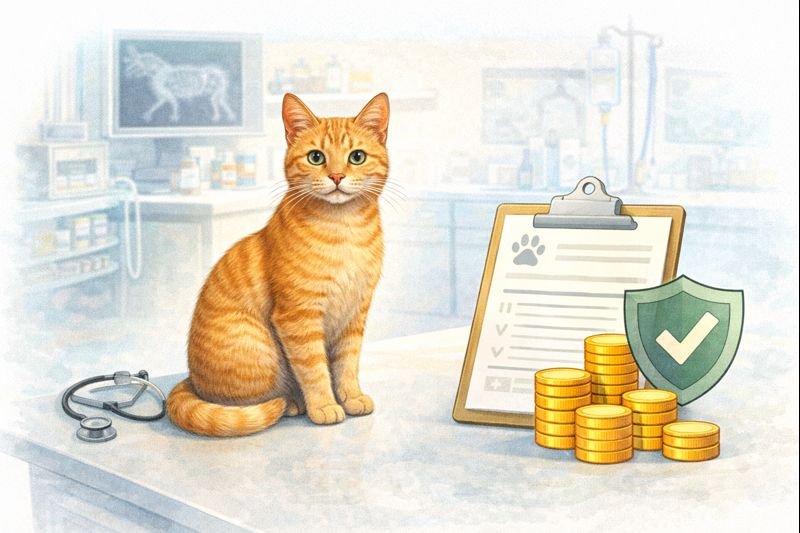
 Cat insurance helps manage veterinary expenses for cats[/caption]
Introduction: Why Cat Insurance Matters for Modern Pet Owners
In the United States, cats are among the most popular household pets, yet they are statistically less likely to be insured than dogs. As veterinary medicine advances and treatment costs continue to rise, cat insurance has become an essential financial tool for pet owners who want to protect both their pets’ health and their own budgets. In 2026, understanding how cat insurance works—its costs, coverage options, and regulatory environment—is more important than ever.
Cat insurance is a specialized form of pet insurance designed to help cover veterinary expenses related to illness, accidents, and, in some cases, preventive care. While cats are often perceived as lower-maintenance pets, unexpected medical emergencies such as urinary blockages, dental disease, or chronic kidney conditions can result in thousands of dollars in veterinary bills. This article provides a comprehensive, U.S.-focused overview of cat insurance in 2026, helping pet owners make informed, financially sound decisions.
What Is Cat Insurance?
Cat insurance is a type of pet insurance policy that reimburses pet owners for eligible veterinary expenses incurred by their cats. Unlike human health insurance, most pet insurance plans operate on a reimbursement model: the pet owner pays the veterinarian upfront and later submits a claim to the insurance provider.
Most cat insurance policies fall under broader pet insurance frameworks regulated at the state level. Coverage terms, exclusions, and consumer protections are shaped by state insurance laws, making it important for pet owners to understand how their location affects their policy.
Average Cost of Cat Insurance in the United States (2026)
In 2026, the average cost of cat insurance in the United States typically ranges between $15 and $35 per month, depending on several variables. Compared to dog insurance, cat insurance is generally more affordable due to lower average treatment costs and fewer breed-related health risks.
Key factors influencing cat insurance premiums include:
-
Age of the cat: Older cats cost more to insure due to higher medical risk.
-
Breed: Purebred cats such as Maine Coons, Bengals, or Persians often have higher premiums.
-
Location: Veterinary pricing and state regulations directly affect pet insurance costs.
-
Coverage level: Accident-only plans are cheaper than comprehensive plans.
-
Deductible and reimbursement rate: Higher deductibles lower monthly premiums.
While these figures represent national averages, actual costs can vary significantly by state and insurer.
What Does Cat Insurance Typically Cover?
Cat insurance coverage varies by provider and policy type, but most comprehensive plans include the following categories:
1. Accidents
Coverage for injuries such as fractures, lacerations, ingestion of foreign objects, or trauma caused by falls or accidents.
2. Illnesses
Treatment for infections, cancer, diabetes, kidney disease, gastrointestinal disorders, and other medical conditions common in cats.
3. Diagnostic Tests
X-rays, ultrasounds, blood work, MRIs, and other diagnostic procedures necessary to identify health issues.
4. Prescription Medications
Medications prescribed by licensed veterinarians for covered conditions.
5. Emergency and Specialty Care
Hospitalization, surgery, and care provided by veterinary specialists.
Optional add-ons may include preventive care coverage for vaccinations, annual exams, dental cleanings, and parasite prevention. These are typically offered as wellness riders rather than core coverage.
What Cat Insurance Does Not Cover
Understanding exclusions is critical when evaluating any pet insurance policy. Common exclusions in cat insurance include:
-
Pre-existing conditions (conditions diagnosed before policy enrollment)
-
Elective procedures
-
Breeding and pregnancy-related care
-
Cosmetic treatments
-
Experimental or non-standard therapies
Some policies distinguish between curable and incurable pre-existing conditions, which can affect future coverage eligibility.
Cat Insurance and State-Level Differences
Although pet insurance is available nationwide, coverage details and consumer protections vary by state. Cat insurance is regulated under state insurance departments, meaning policy language, disclosure requirements, and dispute resolution processes differ.
For example:
-
Some states require clearer disclosure of pre-existing condition definitions.
-
Others mandate grace periods for policy cancellation.
-
Certain states offer stronger consumer protections against unfair claim denials.
Pet owners should review their state’s insurance regulations to understand how their rights are protected under cat insurance policies.
Indoor vs Outdoor Cats: How Lifestyle Affects Insurance Needs
A cat’s lifestyle plays a significant role in determining insurance needs and costs.
Indoor Cats
Indoor cats generally face fewer risks from trauma but are still vulnerable to chronic illnesses, obesity-related conditions, and dental disease. Insurance for indoor cats often focuses on illness coverage and long-term care.
Outdoor or Indoor-Outdoor Cats
Cats with outdoor access face higher risks of accidents, injuries, poison exposure, and infectious diseases. As a result, pet insurance premiums for outdoor cats may be higher, but coverage is often more valuable due to increased risk.
Is Cat Insurance Worth It in 2026?
Whether cat insurance is worth it depends on a pet owner’s financial situation, risk tolerance, and commitment to long-term pet care. In 2026, several trends make cat insurance increasingly attractive:
-
Rising veterinary costs driven by advanced diagnostics and specialty care
-
Longer feline lifespans, increasing the likelihood of chronic conditions
-
Higher expectations for quality care among U.S. pet owners
For many households, cat insurance provides predictable monthly costs and peace of mind, reducing the likelihood of difficult financial decisions during medical emergencies.
Choosing the Right Cat Insurance Plan
When selecting a cat insurance policy, pet owners should evaluate plans using the following criteria:
-
Coverage scope: Accident-only vs comprehensive plans
-
Reimbursement rate: Typically 70%, 80%, or 90%
-
Annual or lifetime limits
-
Deductible structure
-
Waiting periods
-
Claim processing speed
-
Customer reviews and financial stability
Comparing multiple pet insurance providers is essential, especially since plan quality and pricing can vary by state.
Common Mistakes Pet Owners Make with Cat Insurance
Despite good intentions, many pet owners make avoidable mistakes, such as:
-
Waiting too long to enroll their cat, leading to pre-existing condition exclusions
-
Choosing plans based solely on price rather than coverage
-
Not reading policy exclusions carefully
-
Assuming all pet insurance policies are the same across states
Educated decision-making is key to maximizing the value of cat insurance.
The Future of Cat Insurance in the U.S.
Looking ahead, the cat insurance market is expected to grow steadily as awareness increases and veterinary care becomes more sophisticated. Insurers are investing in digital claim processing, flexible plan customization, and clearer policy language to meet consumer expectations.
As part of the broader pet insurance industry, cat insurance will continue to evolve alongside regulatory updates and consumer protection initiatives at the state level.
Conclusion: Protecting Your Cat and Your Finances
Cat insurance is no longer a niche product—it is a practical risk management tool for modern pet owners in the United States. In 2026, with veterinary costs at historic highs and cats living longer, healthier lives, cat insurance offers financial stability and access to better care.
By understanding costs, coverage options, state-level considerations, and common pitfalls, pet owners can choose a cat insurance plan that aligns with both their values and their budget. Ultimately, investing in cat insurance is an investment in responsible pet ownership and long-term peace of mind.
