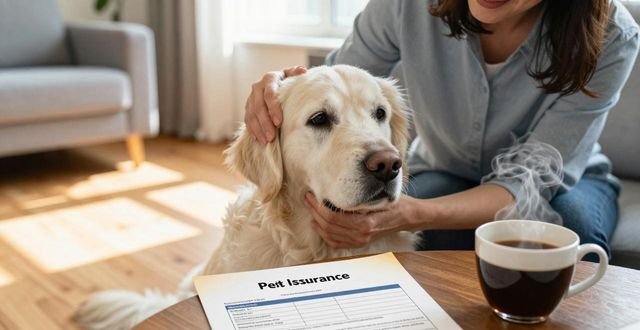
What if your happy go lucky golden retriever suddenly tore his cruciate ligament.
You’d feel helpless. I remember sitting in the vet’s waiting room, watching other pet parents walk out with treat bags and wagging tails.
Meanwhile I was staring at an estimate that looked more like a down payment on a used car than a veterinary bill.
The surgery alone was brutal. But the rehab part? That came after. And I almost didn’t see it coming.
Here’s the thing nobody prepares you for. The surgery fixes the structural part. But the walking again part? That’s all rehabilitation. Hydrotherapy. Laser sessions. Physical therapy on underwater treadmills.
This is where a pet insurance portal for pet rehabilitation can actually save your sanity. And your wallet.
I didn’t even know rehab was covered until I dug into my policy.
Most people just look at accident and illness coverage and call it a day. But the real game changer is the alternative therapy rider. Things like hydrotherapy, acupuncture, even therapeutic massage.
Believe it or not, more insurers are adding these without forcing you to purchase expensive upgrades.
Take Adoro Pet Insurance. They went live in late 2025 and rehab coverage comes standard. No add-ons. No haggling over whether physical therapy counts as real medicine.
Similarly, Fetch includes surgery and rehabilitation under their base plan through the Ontario SPCA program. I called them once to confirm and the rep actually explained the difference between rehab for injury recovery versus maintenance therapy. Super helpful.
But let me warn you. Not every insurer plays nice.
Spot claims to cover "costly accidents and illnesses," and from what I’ve seen, they do cover rehab related to those events. Embrace covers alternative therapies like acupuncture and hydrotherapy without extra fees, but only when prescribed by a veterinarian. No general wellness fluff.
The key is reading the vet bills carefully.
I learned this the hard way after my dog’s TPLO surgery.
The bill listed "physical therapy" under professional services, and my first claim got rejected because my insurance portal listed "complementary treatment" in a different category. Had to resubmit under the correct term.
That’s the annoying part. The portal terminology isn't always obvious. But once you figure it out, claims become much smoother.
Heres a trick. Ask your rehab facility to provide an itemized invoice with specific service codes.
I take my dog to Alpha Animal Rehab in my area. They explain that most insurers reimburse directly after you submit a claim. Step one, check your policy for rehab coverage and any referral requirements. Step two, get that evaluation to establish medical necessity. Step three, pay upfront and get the invoice. Then submit through your insurer’s app or portal.
Some clinics even offer direct billing to insurers now. Not all, but more are transitioning.
The cost breakdown will shock you.
A single hydrotherapy session runs anywhere from 60 to 120 dollars depending on where you live. For a full rehab plan after CCL surgery or hip dysplasia, you might need fifteen to twenty sessions over several months. That adds up to thousands.
Spot reported that their average claim in 2025 was 456 dollars, but the highest single reimbursement hit nearly 35,000 dollars for complex cases. That’s not for surgery. That’s for ongoing rehab.
Now imagine paying out of pocket for that.
I know someone whos dog Wally slipped a disc in his spine. The recovery involved not just surgery but weeks of physiotherapy, meds, and regular check ups. With Petcover, the owner didn’t have to limit treatment options due to cost. The insurance literally saved his ability to walk again.
Stories like that make you rethink whether those monthly premiums are worth it.
There’s real data behind this too.
A veterinary study published on PMC showed functional recovery rates in dogs with postoperative physiotherapy reached over 43 percent within three weeks after surgery, improving to more than 60 percent after that period for non therapy groups. Those aren't small differences.
Another case in ScienceDirect followed a geriatric dog with amputated limb who underwent hydrotherapy. After two months, she could walk independently again. The owner was thrilled with the outcome.
Physical therapy works. No question.
But the condition for coverage almost always involves a prescription from your regular vet. ManyPets explains this clearly. They see complementary treatment as something prescribed alongside traditional treatment, like acupuncture or hydrotherapy, to help with recovery.
Healthy Paws takes it a step further. Their plans include coverage for alternative care like chiropractic, hydrotherapy, and laser therapy, as long as it’s performed by a licensed veterinarian. No extra cost for holistic care.
That’s huge. Because a lot of insurers treat rehab as an extra.
Check if your plan requires a referral. Some policies won’t cover rehab unless your primary vet specifically prescribes it as part of a treatment plan for an accident or illness. Maintenance therapy for an old dog with arthritis may get denied.
The rehab facilities themselves can be super helpful with the paperwork.

At Alpha, they’ll provide evaluation notes and treatment plans upon request to show medical necessity. Some portals even let you check coverage before you start treatment, which saves you from nasty surprises.
I always tell friends to search their provider’s portal for “pet rehabilitation” and see exactly what’s covered before they need it.
The return on investment can be massive.
Erin Mickles submitted over fourteen thousand dollars in claims for her dog Guinness in 2022 alone. Her Spot plan reimbursed her almost all of it, helping cover everything from emergency visits to rehab.
Caroline’s Labrador Archie had cruciate ligament surgery costing over forty five hundred dollars. Petcover paid forty four hundred of it, covering the surgery and the aftercare rehab.
Without insurance, many pet owners would simply skip rehab or cut sessions short. And that compromises the dog’s long term mobility.
If you’re looking for a pet insurance portal specifically for rehab, I recommend starting with providers that list alternative therapies explicitly in their base coverage. Fetch. ManyPets. Healthy Paws. Adoro.
Avoid policies that hide rehab under vague “wellness add ons” that cap at like 250 dollars a year. That won’t cover even four sessions.
Trupanion is decent but you need to carefully check their rehab limits per condition.
The claim filing process matters too.
Direct2Vet portals are becoming common. RSPCA Pet Insurance offers this where they submit claims on your behalf. Fetch lets you submit claims in minutes just by taking a photo of your vet documents. Payments can land in as little as two days.
That speed makes a real difference when you’re juggling multiple rehab appointments per week.
I’ve also learned to pre authorize costly procedures when possible. Some insurers, like Waggel, let you select pre authorisation when submitting a claim. That way you know what’s covered before committing to a full rehab plan.
Claims usually process within seven days, sometimes up to fourteen depending on the vet’s response speed.
Spot customers report claims processed in three days. Healthy Paws says two days for most. Competitiveness is good for us consumers.
The worst scenario is what happened to some owners who got denied due to pre existing condition technicalities. That’s why you should never cancel your policy once your pet has been diagnosed with something. Even a mild back issue could exclude future rehab coverage.
Veterinary professionals see this all the time. A 2026 article from dvm360 collected personal anecdotes where insurance availability made the difference between full recovery and euthanasia.
Isn’t that chilling.
You think you’re buying a financial product. Really you’re buying your dog’s ability to run again.
Which brings me back to the portal.
These days,logging into your insurance portal feels different once you actually need rehab coverage. You’re not just checking deductible status. You’re searching for coverage limits on physical therapy, checking whether your policy covers cold laser or underwater treadmill sessions, and verifying annual caps.
Some portals make this easy. Fetch’s portal includes clear filters for “surgery and rehabilitation” so you don’t have to dig through piles of fine print.
Others are frustratingly vague.
That’s why I recommend calling customer service before committing to a policy. Ask them specific questions.
Will you cover a TPLO surgery follow up with hydrotherapy and massage therapy?
If my vet prescribes acupuncture for post operative pain management, is that covered or do I need a separate rider?
How many rehab sessions per year does my plan limit?
The answers will tell you everything.
A lot of providers exclude chronic rehab for degenerative conditions like hip dysplasia unless you bought coverage early in your pet’s life.
Looking ahead into 2026, the trend is moving toward more inclusive rehab coverage. Competition is heating up. MetLife now partners with shelter platforms to offer flexible coverage options from emergencies only to preventive care that includes behavioral training and rehab.
The Personal’s Gold Paw plan covers alternative therapy, behavioral therapy, and medical devices, up to 350 dollars per category per year. Not huge, but better than nothing.
Ultimately, a pet insurance portal for pet rehabilitation is only as good as your understanding of what to search for. Use specific terms when browsing. “Physical therapy coverage limits.” “Alternative therapy cap per condition.” “Hydrotherapy referral requirements.”
If the portal doesn’t make these terms searchable, consider switching carriers.
I switched after my first claim nightmare. Now I check my portal monthly, just to stay informed.
Because here’s my final thought. Rehab doesn’t end when the stitches come out. It ends when your dog chases a squirrel again, or jumps on the couch without wincing, or runs to greet you at the door with a wagging tail. That’s when you know. And that’s worth every penny of your insurance premium.